
Teenage years are transformative—socially, academically, and emotionally. The last thing your teen wants is to feel self-conscious about metal braces affecting their smile and confidence. Clear aligners offer an effective, discreet alternative that straightens teeth without the aesthetic and lifestyle challenges of traditional braces.
Dr. Pravin Shetty specializes in teen aligner treatment, helping adolescents achieve beautiful, healthy smiles while navigating school, sports, and social activities without interruption.

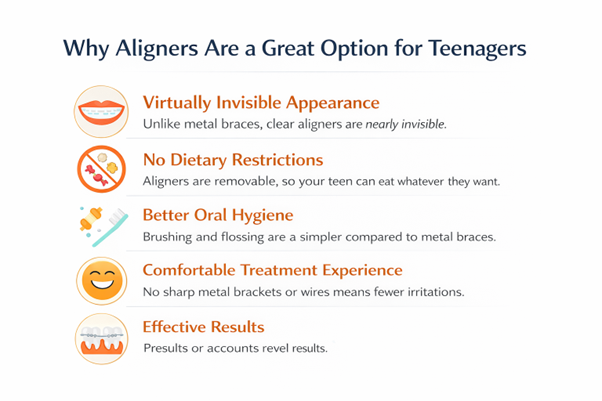
Why Aligners Are a Great Option for Teenagers
Clear aligners have become increasingly popular among teens for good reasons that go beyond just aesthetics:
- Virtually Invisible Appearance Clear aligners are nearly invisible, allowing your teen to smile confidently without feeling self-conscious about orthodontic treatment.
- No Dietary Restrictions Removable aligners mean your teen can eat whatever they want without worrying about damaging brackets or wires.
- Better Oral Hygiene Removable aligners allow teens to maintain their normal brushing and flossing routine, reducing the risk of cavities during treatment.
- Comfortable Treatment Experience No sharp metal brackets or wires means fewer mouth irritations and emergency visits for broken appliances.
- Effective Results Clear aligners successfully treat common orthodontic issues including crowding, spacing, overbites, underbites, and crossbites with predictable results.
Ready to give your teen a confident smile?
Schedule a consultation today to explore clear aligner options.
How Aligners Fit Into Your Teen's Busy Lifestyle
Today’s teenagers juggle academics, extracurriculars, part-time jobs, and social commitments. Aligners adapt to their demanding schedules rather than disrupting them:
- Sports and Activities: Whether your teen plays contact sports, musical instruments, or participates in drama, aligners can be removed during activities without compromising treatment progress. No need to worry about broken brackets during basketball or mouthpiece interference during band practice.
- Minimal Appointment Time: Traditional braces require monthly adjustment appointments. Clear aligner treatment involves fewer office visits—typically every 6-8 weeks—freeing up time for other priorities.
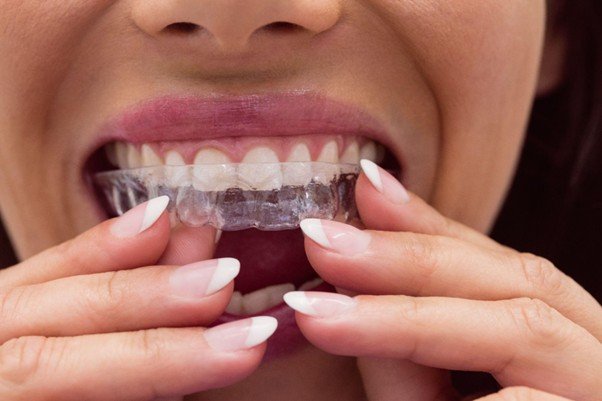
- No Emergency Visits: Broken wires and loose brackets often require urgent orthodontic appointments that disrupt school or work schedules. Aligners eliminate these unplanned visits.
- Social Confidence: Teens can remove aligners for special occasions like school dances, presentations, or photos, though they should aim to wear them 20-22 hours daily for optimal results.
- Travel-Friendly: Family vacations don’t require finding an emergency orthodontist in another city. Your teen simply continues wearing their current aligners as scheduled.
This flexibility makes clear aligners particularly appealing for motivated teenagers who want effective treatment without lifestyle compromises.
The Treatment Process for Teens: What to Expect
Understanding the journey helps both parents and teens prepare for successful outcomes.
Initial Consultation and Customisation
- Comprehensive Evaluation: Dr. Pravin Shetty examines your teen’s teeth, bite, and jaw alignment to determine if they’re a good candidate for clear aligners. Digital scans or impressions capture precise tooth positions.
- 3D Treatment Preview: Advanced software creates a virtual representation showing how your teen’s teeth will move throughout treatment. You’ll see the expected final result before starting, helping set realistic expectations.
- Custom Aligner Fabrication: Based on the treatment plan, a series of custom aligners is manufactured specifically for your teen. Each set is designed to move teeth gradually into their ideal positions.
- Compliance Indicators: Many teen aligner systems include built-in compliance indicators—small blue dots that fade with proper wear time. This helps parents and orthodontists monitor whether teens are wearing aligners as prescribed.
Wearing and Maintaining Aligners
- Daily Wear Requirements: Teens must wear aligners 20-22 hours daily, removing them only for eating, drinking anything other than water, and oral hygiene. Consistency is crucial for staying on schedule.
- Switching to New Sets: Every 1-2 weeks, your teen progresses to the next aligner set in the series. Each new set continues the gradual tooth movement toward the final position.
- Cleaning Routine: Aligners should be cleaned daily with lukewarm water and gentle soap or specialized aligner cleaning solutions. Regular brushing and flossing before reinserting aligners maintains oral health.
- Storage and Care: When removed, aligners should be stored in their protective case—not wrapped in napkins where they might accidentally be thrown away. This simple habit prevents costly replacements.
Key Benefits of Aligners for Teenagers
Beyond the obvious aesthetic advantages, clear aligners offer specific benefits that make them ideal for adolescents:
- Boosted Self-Esteem: Teens are already navigating self-consciousness about appearance. Discreet treatment allows them to straighten their teeth without added anxiety about their looks.
- Easier Compliance Monitoring: Unlike braces where you can’t see if something’s wrong until your next appointment, parents can visually confirm whether teens are wearing their aligners.
- Predictable Timeline: Digital treatment planning provides accurate time estimates, helping families plan around graduations, college applications, or other important life events.
- Reduced Dental Emergencies: No broken wires or loose brackets means fewer disruptions to family schedules and fewer uncomfortable situations for your teen.
- Improved Oral Health: The ability to brush and floss normally means better dental hygiene during treatment, setting teens up for lifelong oral health habits.
How Long Will Your Teen Need to Wear Aligners?
Treatment duration varies based on individual needs, but understanding typical timelines helps with planning:
- Mild Cases: 6-12 Months
Minor crowding, spacing, or slight bite issues often resolve within this timeframe with consistent wear.
- Moderate Cases: 12-18 Months
More complex alignment issues, moderate crowding, or significant spacing typically require 12-18 months of treatment.
- Complex Cases: 18-24 Months
Severe crowding, significant bite corrections, or comprehensive orthodontic needs may extend treatment to two years.
- Compliance Impact
These estimates assume proper wear of 20-22 hours daily. Inconsistent wear extends treatment time proportionally—wearing aligners only 12 hours daily could double the treatment duration.
During your consultation, Dr. Pravin Shetty provides a personalized timeline based on your teen’s specific orthodontic needs and treatment goals.
Managing Discomfort and Keeping Track of Progress
- Initial Adjustment Period: The first few days with new aligners may cause mild pressure or discomfort as teeth begin moving. This is normal and typically subsides within 2-3 days. Over-the-counter pain relievers can help if needed.
- Speech Changes: Some teens experience a slight lisp initially, but this usually resolves within a few days as they adjust to speaking with aligners in place.
- Progress Tracking: Many aligner systems include apps that allow teens to track their wear time, set reminders, and monitor progress through the treatment plan. This gamification aspect appeals to tech-savvy adolescents.
- Regular Check-Ins: Scheduled appointments every 6-8 weeks ensure treatment is progressing as planned. Dr. Pravin Shetty monitors tooth movement and provides the next sets of aligners.
- Addressing Concerns Promptly: If aligners don’t fit properly, cause unusual pain, or break, contact the office immediately. Most issues can be resolved quickly without derailing treatment.
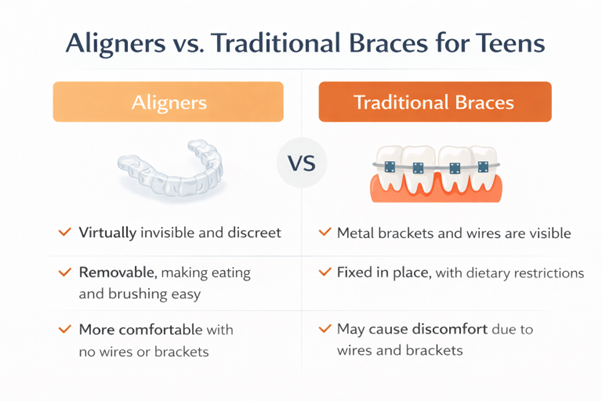
Aligners vs. Traditional Braces for Teens
Both options effectively straighten teeth, but key differences help families make informed decisions:
- Appearance: Aligners are virtually invisible; braces are noticeable metal or ceramic brackets and wires.
- Removability: Aligners can be removed for eating and special occasions; braces are fixed and cannot be removed until treatment ends.
- Dietary Freedom: Aligners allow unrestricted diet; braces require avoiding sticky, hard, and chewy foods.
- Oral Hygiene: Aligners enable normal brushing and flossing; braces make oral hygiene more challenging and time-consuming.
- Compliance Requirement: Aligners require teen responsibility to wear 20-22 hours daily; braces work continuously without relying on patient compliance.
- Treatment Scope: Traditional braces can address more severe or complex orthodontic issues; aligners work best for mild to moderate cases, though technology continues advancing.
- Emergency Visits: Braces may require emergency appointments for broken brackets or wires; aligners rarely cause urgent issues.
The best choice depends on your teen’s specific orthodontic needs, maturity level, and lifestyle.
Cost of Aligners for Teens and Payment Plans
Clear aligner costs for teens vary based on case complexity and treatment duration, with prices generally comparable to traditional braces.
Many dental insurance plans cover a portion of orthodontic treatment, and flexible payment options are available to help families manage the investment in their teen’s smile.