

There’s a common misconception that orthodontic treatment is something you grow out of—that braces and aligners belong to teenagers, not to working professionals, parents, or grandparents. The reality couldn’t be more different. Adults over 40 now represent one of the fastest-growing segments seeking orthodontic care, and clear aligners have made the process more accessible and discreet than ever before.
Why Clear Aligners Are Ideal for Adults Over 40
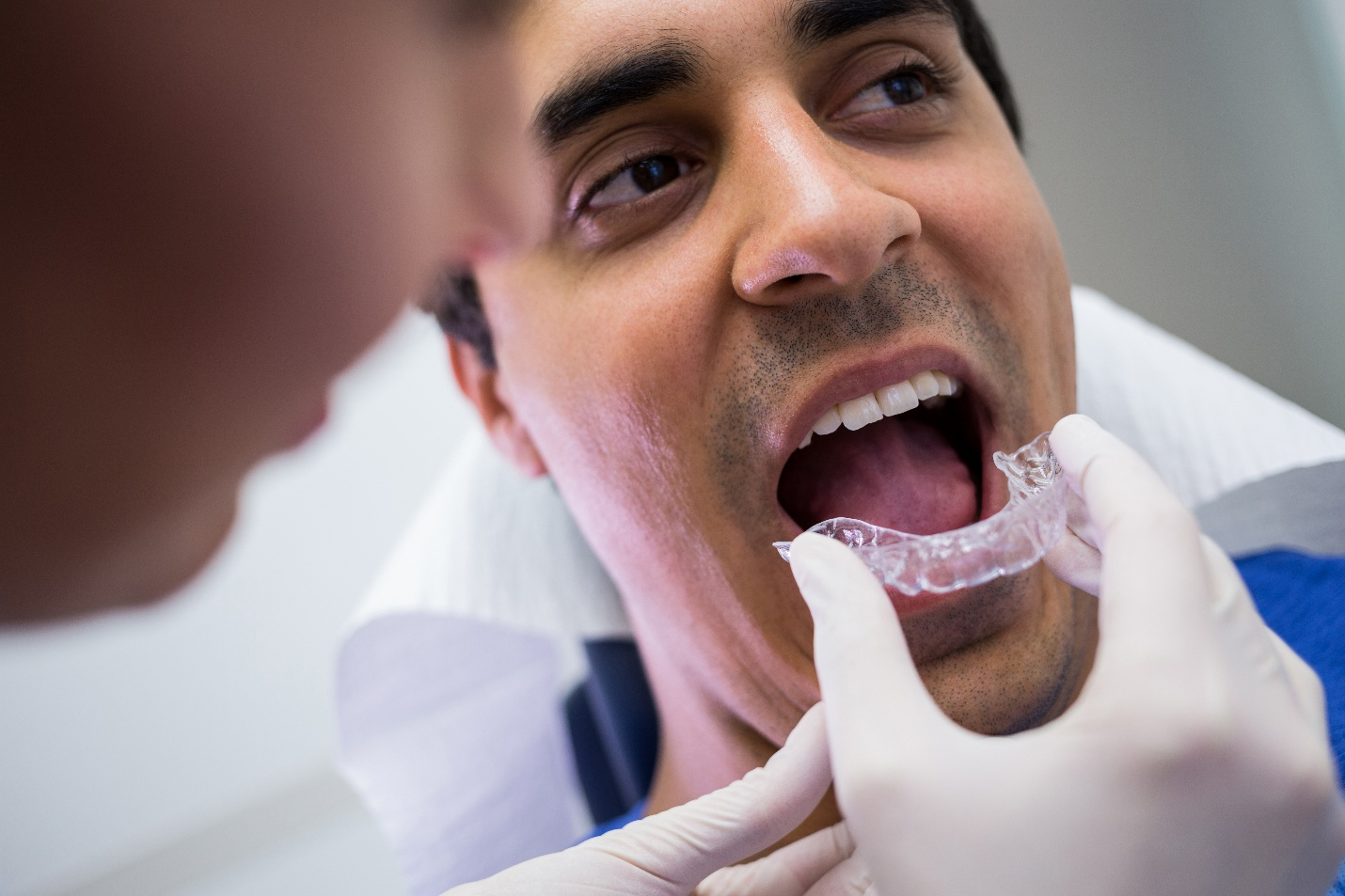
Clear aligners offer a unique combination of benefits that align perfectly with the lifestyle of adults in their 40s and beyond. Unlike traditional metal braces, they are virtually invisible, removable, and designed to fit seamlessly into a busy professional and social life.
For many of my patients, the idea of wearing metal brackets and wires at work or social events feels impractical. Clear aligners eliminate that concern. You can attend meetings, smile in photographs, and enjoy meals without a second thought. The trays are removed for eating and brushing, which also means maintaining excellent oral hygiene throughout treatment—something that becomes increasingly important with age.
Adults over 40 also tend to be highly motivated patients. They follow instructions carefully, wear their aligners for the recommended 20–22 hours per day, and keep their scheduled appointments. This compliance often translates into smoother, more predictable treatment outcomes.
Common Dental Concerns After 40 That Aligners Can Address
Teeth naturally shift throughout your lifetime. Even if your teeth were straight in your 20s, crowding, gaps, and bite changes can develop gradually over the decades. These shifts are not purely cosmetic they can contribute to uneven wear on enamel, jaw pain, difficulty cleaning between overlapping teeth, and a higher risk of gum disease.
Clear aligners can effectively address several concerns common in adults over 40:
- Mild to moderate crowding that has developed over time
- Gaps that have appeared due to bone changes or tooth loss
- Bite misalignment contributing to jaw discomfort or headaches
- Relapse from previous orthodontic treatment during adolescence
- Pre-prosthetic alignment to prepare teeth for crowns, bridges, or implants
In many cases, aligning teeth before restorative dental work leads to better long-term results and can even simplify procedures like implant placement.
What to Expect During Treatment

Treatment with clear aligners typically begins with a comprehensive evaluation, including digital scans and imaging. This allows your dentist to create a fully customised treatment plan, mapping out each stage of tooth movement before you even begin wearing your first set of trays.
For most adults over 40, treatment duration ranges from 6 to 18 months depending on the complexity of the case. Mild crowding or spacing issues may resolve in as little as six months, while more involved cases could take longer. You’ll switch to a new set of aligners every one to two weeks, with periodic check-ins to monitor progress.
One important consideration for adults is bone density. As we age, bone remodelling occurs more slowly, which means tooth movement may be slightly more gradual compared to younger patients. However, this is not a limitation—it simply means your orthodontist may take a measured, careful approach that prioritises long-term stability and gum health.
Are Clear Aligners Safe for Adults with Existing Dental Work?
This is one of the most common questions I hear from patients over 40. Many have crowns, veneers, bridges, or dental implants and wonder whether aligners are still an option. In most cases, the answer is yes—with careful planning.
Crowns and veneers can usually accommodate aligner attachments, though some adjustments to the treatment plan may be necessary. Dental implants, unlike natural teeth, are fused to the bone and cannot be moved. However, the surrounding natural teeth can still be aligned around them. A thorough assessment ensures your treatment plan accounts for every element in your mouth.
Conclusion
If you’ve been thinking about straightening your teeth but assumed the window had closed, consider this your invitation to explore clear aligners. A simple consultation can help determine whether you’re a good candidate and what kind of results you can expect.
Your smile doesn’t have an expiration date. And with clear aligners, achieving the smile you’ve always wanted has never been more convenient, comfortable, or discreet at any age.