
Choosing the right aligner provider is often more complex than it initially appears. With so many clinics, brands, and even at-home options available today, it’s easy to feel unsure about what’s actually right for you.
Most people think aligners are just about wearing trays and getting straight teeth. But in reality, the person planning your treatment plays a much bigger role than the aligners themselves. The right provider can make the process smooth and predictable, while the wrong choice can lead to frustration or results you’re not happy with.
Whether you have small gaps or more complicated alignment issues, having the right guidance from the beginning really makes a difference.

Why Choosing the Right Provider Matters
At a glance, aligners look simple. You wear them, your teeth move, and that’s it. But behind that simplicity is a lot of detailed planning.
Every small movement of your teeth needs to be carefully mapped out. If it’s not done correctly, you could end up with issues like uneven alignment, bite problems, or even discomfort during treatment.
Some cases need even more attention, like crowded teeth or when you already have crowns or bridges. These aren’t situations where a basic or one-size-fits-all approach works. They need proper evaluation and planning.
As Dr. Pravin Shetty explains:
“Aligner treatment is not just about wearing trays; it requires precise planning and continuous monitoring to achieve safe and predictable results.”
Top 5 Key Factors to Consider When Choosing an Aligner Provider
Qualifications and Experience
This is the first thing you should check. A trained orthodontist understands how teeth move and how to plan treatment safely. Experience also matters—especially if your case is not very simple.
Technology Used
Clinics that use digital scans and 3D planning tools usually offer a more accurate and comfortable experience. It also helps you see what your smile might look like before you even start.
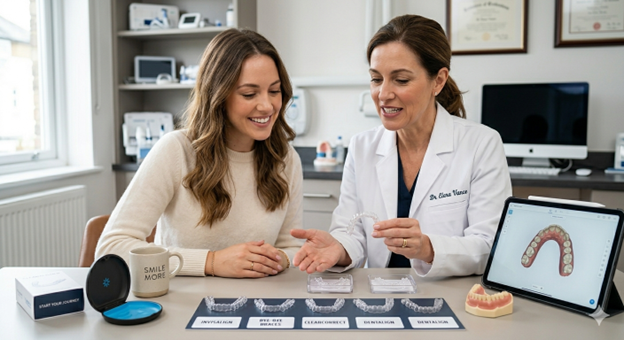
Personalized Approach
There’s no such thing as a “standard” smile. Your treatment should be based on your teeth, your bite, and your needs—not a fixed template.
Regular Follow-Ups
Even with good planning, your teeth don’t always move exactly as expected. That’s why follow-ups are important. They help your doctor track progress and make small adjustments if needed.
Clear Communication on Cost and Time
A good provider won’t keep things vague. You should know what you’re paying for and how long the treatment is likely to take. It just makes the whole process easier to manage.
According to Dr. Pravin Shetty, Regular follow-ups help keep the treatment on track and prevent complications.
If you’re thinking about aligners, it’s always better to start with a proper consultation. The right guidance early on can save you time, money, and unnecessary stress later.
Common Mistakes to Avoid
Focusing only on price
It’s completely normal to look for affordable options. But when it comes to aligners, cheaper isn’t always better. Poor planning can lead to unsatisfactory results—and fixing them later can cost more.
Choosing at-home treatments without research
These options may sound convenient, but they usually don’t include proper monitoring. Without expert supervision, things can go off track without you even realizing it.
Not checking the provider’s experience
Not every dentist specializes in aligners. Experience in orthodontics really matters here, especially if your case needs more than basic correction.
Skipping the consultation step
Some people try to jump straight into treatment. But a consultation helps you understand your condition and what’s realistically possible. Skipping it often leads to confusion later.
Not sure where to start? Book an appointment with an expert today and choose the right aligner provider with confidence.
Conclusion
Choosing an aligner provider is not something to rush. While aligners are a modern and convenient option, the results depend heavily on who’s planning and guiding your treatment.
When you focus on things like experience, proper technology, and regular monitoring, you’re more likely to have a smooth experience and results you’re actually happy with.
In the end, it’s not just about straightening your teeth. It’s about doing it the right way.