
Aligner discomfort typically peaks when starting a new tray or during phases involving complex tooth movements like rotations or root corrections. Excessive pain often results from accelerated switching schedules, improper tray seating, or newly placed attachments that amplify pressure on specific teeth. Effective management includes wearing aligners 20–22 hours daily, using aligner chewies for proper seating, and consulting your orthodontist if pain persists beyond 5 days.
According to Dr. Pravin Shetty, an experienced Orthodontist in Mumbai,
“Increased aligner pain often signals that your teeth are responding to a correction sequence that’s more aggressive than previous stages, or it could indicate fit issues that need immediate adjustment to prevent tracking problems down the line.”
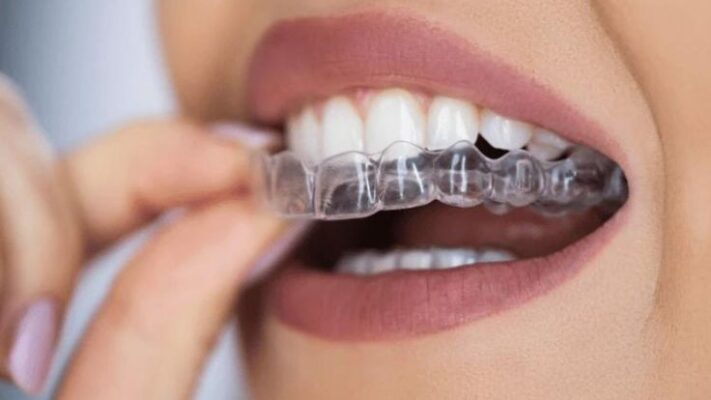
If you’re thinking about aligners, it’s always better to start with a proper consultation. The right guidance early on can save you time, money, and unnecessary stress later.
What's actually causing this sharper pain?
Some trays feel like gentle pressure, others make you wince when you bite down. Here’s what’s usually behind those episodes where the pain feels different from your baseline:
- Big movement phase kicked in: Your treatment just hit rotations, root tipping, or closing extraction gaps, which means the forces your teeth are dealing with aren’t the same gentle nudges from earlier trays, periodontal ligaments stretch harder and bone remodeling speeds up, so yeah, it’s gonna ache more in the first 48 to 72 hours.
- Attachments got added last visit: Those little composite buttons your orthodontist bonded on create way tighter grip, what used to be mild tightness now zeroes in on your molars or premolars where the attachments sit, and that localized intensity is tough to ignore even if you’ve been wearing aligners for months.
- You switched early (don’t lie, we’ve all been tempted): Skipping ahead before the recommended 10 to 14 days feels like you’re speeding things up, but really you’re just asking teeth to move before the bone around them has had time to consolidate, ligament gets inflamed, pain shoots up, and ironically you might end up prolonging treatment because tracking suffers.
- Tray isn’t seating right: Air gaps along the gumline mean the aligner can’t spread pressure evenly, so instead of balanced force across your whole arch you get concentrated stress on a couple cusps, isolated tooth pain that’s sharper than the usual diffuse ache, and if you ignore it the tray won’t track properly anyway.
If this doesn’t settle down after two days or you’re seeing visible gaps where the aligner lifts off certain teeth, getting an aligner consultation sorted is your best move, either it’s a normal phase you just have to ride out or the tray needs refinement before things get worse.
When does pain cross into "call your orthodontist now" territory?
Most discomfort follows a curve, peaks around day two or three, fades by day five. But some patterns don’t fit that script, and pushing through them just because you think toughness equals faster results can backfire badly.
- Pain’s all on one side of your jaw: If it’s stuck on your left or right and has nothing to do with where your teeth are actively moving, you’ve probably triggered a TMJ flare from uneven bite pressure, aligners shift occlusion faster than jaw muscles adapt sometimes, ignoring it now sets you up for joint dysfunction that lingers way past the day you get your retainers.
- Gums are puffy or bleeding when you pop the tray out: Day one tenderness is fine, but swollen tissue that’s still there on day three or persistent bleeding means the aligner edge is digging in or you’ve got gingivitis brewing, either way it needs a cleaning appointment before it derails tooth movement.
- You’re still reaching for ibuprofen on day six: Orthodontic pain shouldn’t drag on like that, if a week in you’re still hurting the tray’s either too aggressive for your bone density, tracking’s off, or there’s root sensitivity that imaging needs to check for resorption, none of those are things you wait out.
- Tray’s cracked or warped: Stress fractures or bent edges can’t deliver the forces they’re designed for, instead you get sharp spots jabbing enamel or gums, pain that feels like a dental emergency, and even if you tough it out the treatment timeline gets thrown off because the biomechanics aren’t calibrated anymore.
Check out our post on Aligners for Busy Professionals if you’re trying to juggle treatment with a packed schedule, it covers when pain’s a signal you actually can’t ignore no matter how tight your calendar is
Why Choose Dr. Pravin Shetty?
Dr. Pravin Shetty has 23 years in digital orthodontics with over 5,000 aligner cases behind him, two patents in CAD/CAM lingual systems, active membership in the European and World Society of Lingual Orthodontics, and that kind of depth shows up in how he handles cases from start to finish. What patients mention most often is how adjustments happen before problems snowball, if your tracking starts drifting or pain doesn’t follow the normal timeline, refinement scans get done and new trays shipped out before a minor hiccup turns into major backtracking.
Not sure where to start? Book an appointment with an expert today and choose the right aligner provider with confidence.
Frequently Asked Questions
Yes, because you’re not distracted and saliva production drops during sleep, which amps up how much you notice the pressure.
Not beyond meal breaks, pulling them out delays movement and makes the next insertion feel even tighter.
Most discomfort peaks in the first 48 to 72 hours and fades by day five as teeth settle.
No, prolonged pain usually means the current tray isn’t seated right, check with your orthodontist before advancing.
Mild pressure’s a good sign, but sharp pain that doesn’t improve or stays one-sided points to fit or sequencing issues.