
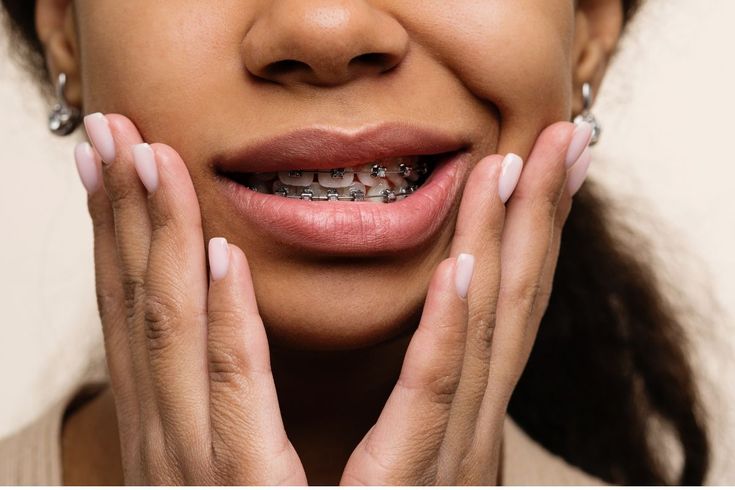
Your mouth’s going to hurt a bit after getting braces tightened. That’s just how it works. First couple days you’ll feel pressure, maybe some soreness when you eat, and by day two or three it usually hits the worst before it starts getting better. Most people are back to normal by the end of the week. But there’s a difference between regular adjustment soreness and pain that actually means something’s wrong. If you’re still wincing a week later, or if the pain’s getting sharper instead of fading, or you literally can’t sleep because your teeth hurt that bad, stop waiting for it to pass and call your orthodontist in Mumbai.
According to Dr. Pravin Shetty, an experienced Orthodontist in Mumbai,
“Discomfort that sticks around past seven days or keeps climbing instead of dropping off is your body’s way of saying this isn’t normal, something needs checking.”
If you’re thinking about aligners, it’s always better to start with a proper consultation. The right guidance early on can save you time, money, and unnecessary stress later.
What Causes Sensitivity During Braces Treatment?
Brackets and wires push your teeth around. That’s the entire point. And when teeth get pushed, the nerves inside react, the gums get irritated, the bone underneath shifts to make room. It’s uncomfortable because it’s literally moving parts of your body that weren’t meant to move that fast.
- Tightening pressure: Orthodontist cranks the wires, swaps out bands, adds new tension, your teeth start drifting into their new spots and the roots press against bone tissue which creates that achy feeling that tends to spike on day two then drops off around day five when everything settles in.
- Enamel wearing thin: Sometimes the gums start pulling back during treatment or the outer layer of your tooth gets thinner from all the shifting, exposes the softer layer underneath and now anything cold or hot hits that nerve directly instead of being blocked by protective enamel.
- Rough edges: Bracket corners can be sharp, wires slip out of position and start poking your cheek or gum, that creates irritation that feels terrible but it’s actually surface level damage not deep tooth pain, usually fixed with orthodontic wax or a quick appointment to trim the wire.
- Root shortening: Doesn’t happen often but when it does it’s serious, too much pressure for too long can make the roots actually shrink which causes persistent aching that won’t respond to ibuprofen or acetaminophen and requires immediate intervention before permanent damage sets in.
Pain lingering past a week? Getting worse not better? Book a ceramic braces checkup before it turns into a bigger problem.
When Should You Be Concerned About Sensitivity?
Some soreness is expected. Everyone gets it. But certain patterns mean you shouldn’t just tough it out and hope things improve on their own.
- Specific teeth hurting badly: Pain focusing on one or two teeth while the rest of your mouth feels fine usually means something’s pressing too hard in that exact spot, could be a wire that shifted or a bracket that’s no longer sitting flush against the tooth surface.
- Temperature shocks: Sipping cold water or eating something hot sends a jolt through your tooth that doesn’t stop right away, that’s often a sign the enamel cracked from the pressure or the inner layer got exposed and needs protection before it gets worse.
- Gums bleeding or puffing up: Notice swelling around the brackets or blood on your toothbrush when you’re cleaning? Food particles are probably stuck underneath causing infection, or you might be developing gum disease that’ll spread if you don’t get it treated quickly.
- Bite alignment off: Teeth not meeting properly when you close your mouth, chewing feels awkward or painful, one side of your jaw working harder than the other, these are signs your teeth are moving at different speeds and your bite needs correction before your jaw compensates in ways that cause long term issues.
Recognize any of these? Check out our piece on why aligner treatment fails and how to avoid it because a lot of the same monitoring principles apply to traditional braces.
Why Choose Dr. Pravin Shetty?
Dr. Pravin Shetty brings 23 years of orthodontic experience covering more than 10,000 patient cases, invented both SmileAligners and Lingualmatrix bracket systems that orthodontists worldwide use now, and you’ll notice that background in how he maps out treatment from your initial consultation through the final retention phase. Here’s what patients actually say matters most, he doesn’t rush through explanations about post-adjustment discomfort, he tells you exactly what level of pain is normal versus what crosses the line into call-us-immediately territory, so you’re never lying awake at 3am googling whether this much pain is okay or scrolling through forums wondering if you should’ve contacted the clinic two days ago.
Not sure where to start? Book an appointment with an expert today and choose the right aligner provider with confidence.
Frequently Asked Questions
Couple days of soreness after tightening just means things are working. Completely normal.
No way to avoid it completely. Keeping your teeth clean and avoiding hard crunchy foods right after appointments helps reduce how bad it gets though.
Can’t manage it with regular painkillers? Can’t eat without serious discomfort? Can’t sleep? Call your orthodontist same day.
Usually no. Most sensitivity is temporary adjustment response. But pain that persists or intensifies needs professional evaluation to rule out complications.