
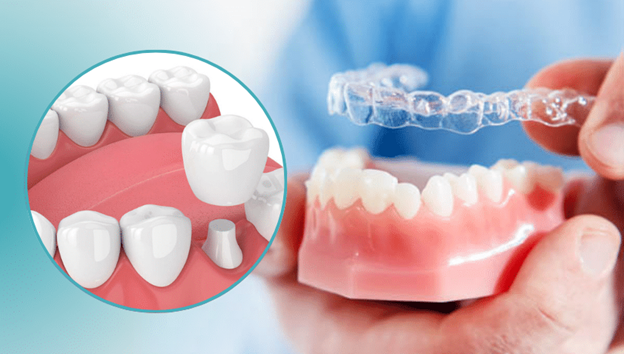
Many patients ask whether aligners with crowns and bridges are compatible, and it is a fair question. If you already have crowns or bridges and are considering orthodontic treatment, you may have been told it is complicated — or even off the table entirely. In most cases, that is not true. Clear aligner treatment can work alongside existing dental restorations, provided the right assessment is carried out first.
Dr. Pravin Shetty is a seasoned dental professional with years of experience in orthodontics and restorative dentistry, helping patients achieve healthy, confident smiles – even in complex cases.
Can Aligners Work with Crowns and Bridges?
Yes, in most cases they can. Having a crown or bridge does not automatically rule out aligner treatment. What matters is the condition of the restorations, their position in the mouth, and the health of the surrounding teeth and gum tissue.
Crowns cap individual teeth and do not prevent movement. Bridges, however, fuse multiple teeth into a single rigid unit, meaning those teeth cannot be shifted independently. Your orthodontist will factor this into the treatment plan from the outset.
How Aligners Move Teeth with Existing Dental Work
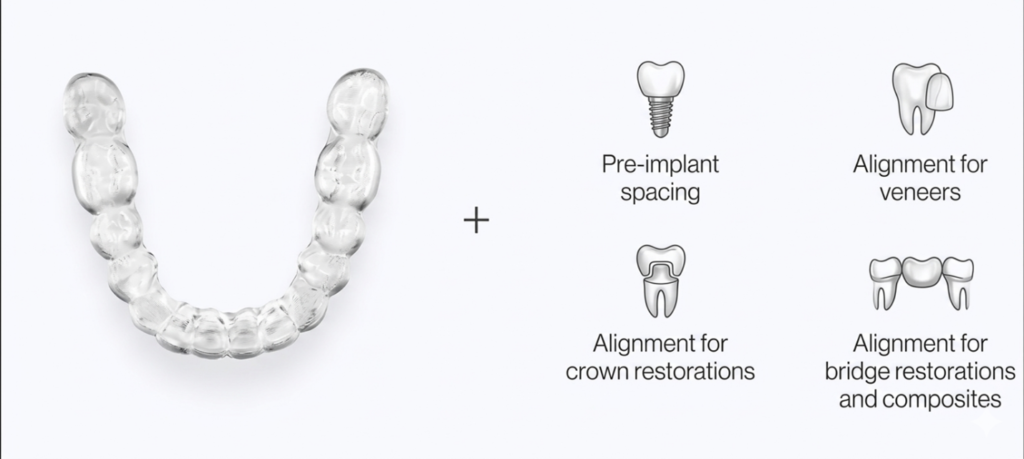
Clear aligners apply gentle, consistent pressure through a series of custom-moulded trays. When a crowned tooth requires movement, the aligner engages the crown’s surface just as it would natural enamel. Small tooth-coloured attachments may be bonded to the teeth to improve grip and precision.
Bridges present a different dynamic. Because the pontic is fused to the abutment teeth, the bridge moves as one unit. Treatment planning must work around this, typically keeping the bridged section stable while repositioning other teeth.
Wondering whether your existing dental work is compatible with aligner treatment? Contact our practice today to book a consultation and get a clear, personalised assessment.
Challenges of Using Aligners with Crowns and Bridges
There are genuine challenges worth knowing about before starting:
Attachments may not bond as reliably to porcelain or ceramic crowns as they do to natural enamel.
Bridges limit independent tooth movement across the affected span.
Older or structurally compromised restorations may be aggravated by orthodontic forces.
In some cases, outcomes may be more limited compared to patients without existing restorations.
Who Is a Suitable Candidate for Aligners with Crowns or Bridges?
Most adults with mild to moderate alignment concerns and a small number of restorations in good condition are reasonable candidates. Healthy gums, adequate bone support, and no active decay are important baseline requirements.
Patients with multiple bridges or underlying structural concerns may need a more detailed discussion. In some situations, restorations may need to be replaced before or after treatment to achieve the best final result.
What to Expect During Treatment
Treatment begins with a comprehensive examination — digital scans, X-rays, and photographs — to allow for precise planning around your existing dental work. Your aligner trays are designed with your restorations in mind from the start.
Each set of trays is worn for approximately one to two weeks before progressing to the next. Regular review appointments monitor how both the teeth and restorations are responding. Most treatments range from six to eighteen months depending on complexity.
Ready to take the next step? Get in touch with our practice to arrange a full assessment and find out what is achievable for your smile.
Are There Any Risks or Limitations?
Attachments bonded to porcelain surfaces carry a slightly higher risk of detachment during treatment, requiring a brief repair visit. Moving teeth adjacent to a bridge can occasionally place additional stress on the restoration, which is why close monitoring matters throughout.
Patients should also be aware that significant tooth movement may mean an existing crown or bridge no longer fits correctly once treatment is complete. Replacement of the restoration after treatment may be necessary in those cases.
Tips for Better Results with Aligners and Dental Restorations
Getting the best outcome from aligners with crowns and bridges comes down to a few practical steps:
Each set of trays is worn for approximately one to two weeks before progressing to the next. Regular review appointments monitor how both the teeth and restorations are responding. Most treatments range from six to eighteen months depending on complexity.
Ensure all restorations are in sound condition before beginning treatment.
Maintain thorough oral hygiene — plaque around crowns and under aligner trays can accelerate decay and gum problems.
Attend every scheduled review appointment so issues can be identified early.
Inform your clinician promptly if a crown feels loose or an attachment comes off.
Wear your retainer as directed after treatment to preserve both your alignment and your restorations.
Alternatives If Aligners Are Not Suitable
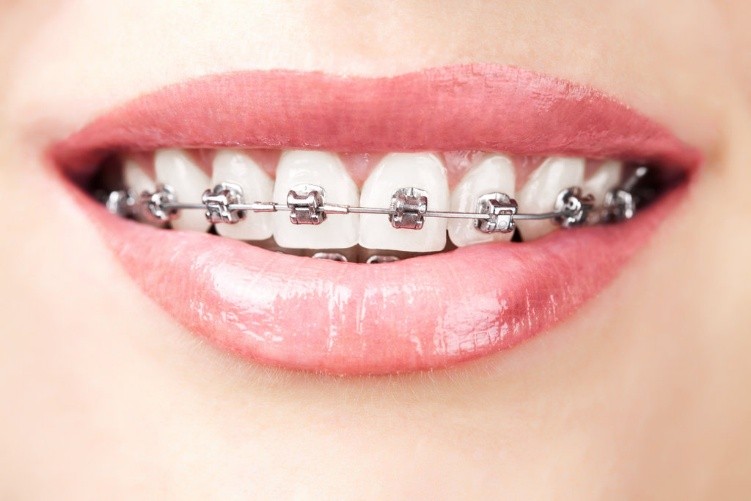
If aligners with crowns and bridges are not clinically appropriate in your case, alternatives exist. Fixed braces can offer greater control in more complex situations involving multiple bridges. Where existing dental work significantly limits what orthodontics can achieve, a restorative approach — such as replacing outdated bridgework with implants before undertaking any tooth movement — may deliver a better overall result.
The right path depends entirely on your clinical picture. A thorough consultation will establish which option genuinely serves your long-term interests.
Benefits of Choosing Aligners with Crowns and Bridges
For suitable patients, the advantages are meaningful. The trays are removable, making it easier to clean around crowns and bridges without the obstacles that fixed braces present. They are discreet, comfortable, and custom-made to accommodate your existing restorations from day one.
There is a functional benefit too. Correcting misalignment distributes bite forces more evenly across the teeth, which can reduce strain on crowned teeth and bridge abutments over time — potentially extending the life of your existing dental work.
Have crowns or bridges? Contact our practice today for an honest assessment and find out if aligners are right for you.
Frequently Asked Questions
Not if the crown is in good condition. Aligners apply gentle, gradual pressure and are custom-made to fit your teeth. Any structural concerns with existing crowns will be identified before treatment starts.
They can, though porcelain and ceramic surfaces require extra preparation for a reliable bond. Your clinician will monitor attachments throughout treatment and repair any that detach.
Not always, but it is possible. If significant tooth movement occurs, the fit of an existing restoration may change and replacement after treatment may be recommended.
A clinical assessment is the only way to know for certain. Your clinician will evaluate your restorations, gum health, and degree of misalignment before recommending a treatment path.
