
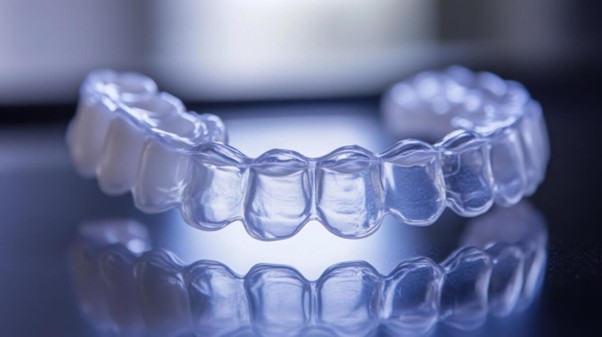
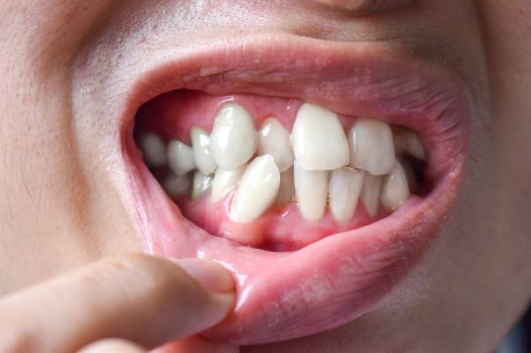
Dental crowding is a frequently encountered malocclusion characterised by insufficient space within the dental arch, resulting in overlapping or displaced teeth. Beyond aesthetics, crowding can compromise oral hygiene, increase plaque retention, and contribute to periodontal concerns over time.
Advancements in orthodontics now enable precise correction using clear aligners for crowded teeth, offering a minimally invasive and aesthetically discreet alternative to conventional appliances. For patients exploring invisible aligners for crowded teeth, a structured understanding of the condition and its
“Aligner therapy has redefined orthodontic treatment by combining biomechanical precision with patient-centric design.” — Dr. Pravin
management is essential.
Book a detailed orthodontic evaluation to determine the most appropriate approach for correcting dental crowding.
What Causes Crowded Teeth?
Dental crowding is multifactorial in origin and typically arises from a discrepancy between tooth size and available arch space. Clinically relevant factors include:
Genetic predisposition affecting jaw dimensions
Premature loss or prolonged retention of primary teeth
Eruption disturbances of permanent dentition
Developmental influences impacting craniofacial growth
Early identification and timely orthodontic intervention can prevent progression and associated complications.
Mechanism of Alignment in Crowded Dentition
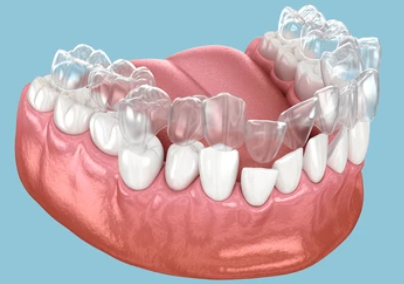
The correction of crowding with aligners is based on biomechanical principles of controlled force application. Treatment typically involves:
High-resolution digital scanning and occlusal analysis
Computer-assisted treatment simulation
Sequential aligner fabrication with incremental adjustments
Periodic monitoring to assess movement progression
Each aligner is calibrated to deliver specific forces, facilitating the gradual repositioning of teeth into optimal alignment while preserving supporting structures.
Clinical Considerations for Aligner-Based Correction
The suitability of clear aligners for crowded teeth is determined through a comprehensive orthodontic assessment. Factors evaluated include:
Severity and distribution of crowding
Periodontal health status
Occlusal relationships
Patient compliance potential
In selected cases, adjunctive procedures such as interproximal reduction or attachments may be incorporated to enhance treatment efficiency and precision.
“Accurate diagnosis and adherence to treatment protocols remain fundamental to achieving predictable outcomes in aligner-based correction.” — Dr. Praveen
Benefits of clear Aligners
The adoption of invisible aligners for crowded teeth is supported by both clinical outcomes and patient-centred advantages:
Enhanced aesthetics due to transparent design
Improved comfort with the absence of brackets and wires
Removability facilitates better oral hygiene practices
Reduced chairside adjustments compared to fixed appliances
Minimal interference with speech and daily activities
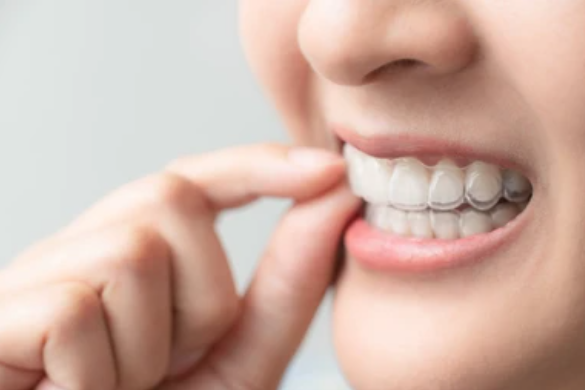
These attributes contribute to higher treatment acceptance, particularly among adult patients.
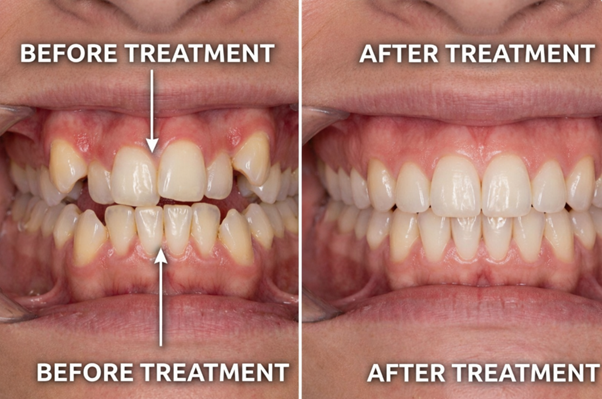
Before and After Results
Resolution of overlapping and rotational discrepancies
Harmonisation of dental arch form
Improved accessibility for oral hygiene
Enhanced overall smile symmetry
Digital treatment simulations further allow visualisation of expected outcomes prior to initiation.
Receive a customised, clear aligner treatment plan based on detailed digital analysis and your specific alignment requirements. Schedule your appointment now
How Long Do Clear Aligners Take for Crowded Teeth?
The duration of treatment is contingent upon the complexity of crowding and the biological response to tooth movement. General timelines include:
Mild crowding: approximately 4–6 months
Moderate crowding: 6–12 months
Complex presentations: up to 18 months
Adherence to prescribed wear duration (typically 20–22 hours daily) remains a critical determinant of treatment efficiency.
Selecting an Orthodontic Provider for Clear Aligners
When selecting an orthodontist in Mumbai for clear aligners, the choice of provider is a critical determinant of treatment precision, efficiency, and long-term stability. Aligner therapy is inherently technique-sensitive, requiring a high level of clinical expertise, along with advanced digital treatment planning, to achieve predictable, optimal outcomes.
Important parameters include:
Specialised training in orthodontics
Experience with aligner-based treatment protocols
Use of digital diagnostics and treatment planning systems
Evidence of consistent clinical outcomes
A methodical, evidence-based approach ensures both functional correction and long-term stability.
Optimising Treatment Outcomes
Achieving predictable results with aligners requires adherence to established clinical guidelines:
Consistent wear in accordance with the prescribed duration
Strict adherence to aligner progression schedules
Maintenance of optimal oral hygiene
Regular clinical evaluations to monitor progress
Patient compliance and clinician oversight collectively influence the quality of outcomes.
Frequently Asked Questions
Yes, aligners are effective for a wide range of mild to moderate crowding cases when appropriately planned.
They apply controlled, incremental forces through a series of custom-designed trays.
Treatment duration varies between 4 and 18 months depending on severity.
Yes, they are widely used in adult orthodontics due to their aesthetic and functional advantages.
Long-term stability is achieved with appropriate retention protocols following treatment.
Take the next step towards correcting crowded teeth with clinically guided clear aligner therapy.
