
Yes, clear aligners can temporarily affect speech, causing a slight lisp initially, but most patients adapt within a few days to two weeks without any permanent impact on voice or vocal cords. Aligners change how your tongue hits sounds like “s,” “th,” and “z.” Think of it like breaking in new shoes-awkward at first, then fine. Over 90% of wearers don’t have long-term speech issues. Whatever changes show up resolve through consistent wear. Talking to an experienced orthodontist in Mumbai gets you proper fitting, smooth adaptation.
According to Dr. Pravin Shetty, Celebrity Orthodontist & Inventor of SmileAligners,
“Speech changes with aligners are temporary and minor. Most patients adapt within days, and proper aligner design minimizes any interference with natural tongue movements.”
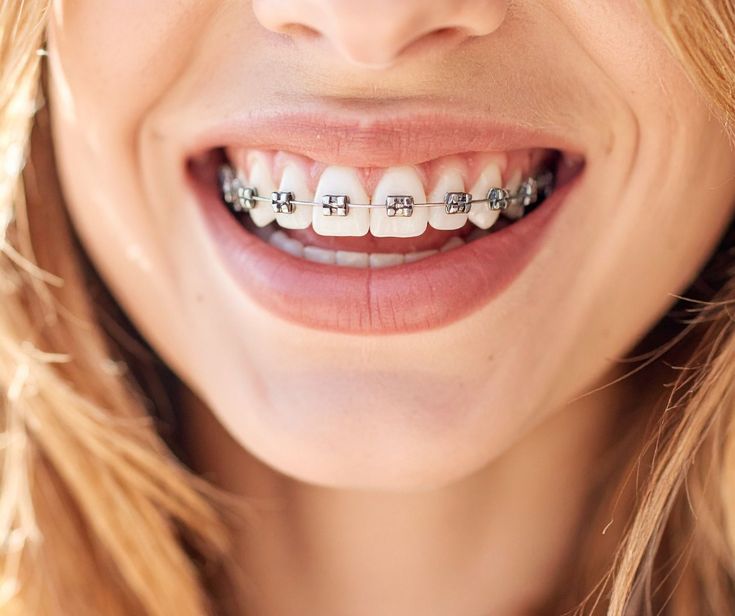
If you’re thinking about aligners, it’s always better to start with a proper consultation. The right guidance early on can save you time, money, and unnecessary stress later.
How Aligners Impact Speech During Treatment ?
First time wearing clear aligners? Your mouth needs a minute to adjust to the extra layer covering your teeth. Your tongue relies on specific contact points with teeth and the roof of your mouth to make certain sounds. Aligners shift these contact points. Throws off pronunciation for a bit.
Common speech changes during the initial phase:
- Mild lisp when saying words with “s” sounds – The aligners create a tiny gap between your tongue and teeth. Causes a whistling or slurring effect when you say words like “see,” “sit,” or “assert.”
- Trouble pronouncing “th” sounds clearly – Since “th” sounds need precise tongue placement against your teeth, the added thickness makes words like “think” or “that” feel awkward. Gets easier fast.
- Some slurring of certain consonants – Hard consonants like “t,” “d,” and “n” might sound less crisp during the first few days. Your tongue’s adjusting to the new setup.
- Extra saliva that messes with clarity – Your mouth treats aligners like foreign objects initially. Triggers more saliva production, makes speaking feel slippery and less controlled.
Speech adaptation happens naturally as you keep wearing your aligners. Your tongue figures out the new positioning needed to make sounds accurately. Within a few days to a week, most people speak just as clearly as before treatment. Wondering how aligners might fit into your work life or social calendar? Bring it up with a specialist during your first visit, sets realistic expectations. Check out aligners in Mumbai to see how modern systems are built for minimal interference, maximum comfort.
Tips to Adapt Faster and Speak Clearly with Aligners
Adjustment period doesn’t last long. But there are practical steps that speed things up, get your natural speaking rhythm back faster. Most patients find consistent practice and keeping aligners in all day leads to quicker adaptation.
Strategies that actually help:
- Read aloud for 10 to 15 minutes daily – Grab a newspaper, book, or even scroll through social media posts. Gets your tongue used to the aligners. This kind of repetitive practice rewires your speech patterns faster than just wearing them passively.
- Drill challenging words with “s,” “th,” “z,” and “t” sounds – Work through tongue twisters or problem words until pronunciation feels natural again. More you target difficult sounds, quicker your tongue adapts.
- Keep water handy throughout the day – Dry mouth makes speech issues worse, aligners feel bulkier. Drinking water regularly keeps everything lubricated. Cuts down on that sticky, uncomfortable feeling that slows adaptation.
- Don’t pull aligners out during important conversations or meetings – Consistent wear trains your tongue to adapt quickly. Taking them out for speech comfort just drags out the adjustment period.
Some patients swear by singing along to favorite songs or chatting casually with family to ease into it. No formal pressure. If speech issues stick around past two weeks, schedule a follow-up to check the fit. Modern aligner systems account for speech from the start, so small adjustments often fix lingering problems. For more on how aligner treatment gets planned and customized, read about how orthodontists plan aligner treatment with 3D technology.
Why Choose Dr. Pravin Shetty?
At B.Braced, Dr. Pravin Shetty brings over 23 years of orthodontic expertise to complex cases. Invented SmileAligners, a patented aligner system engineered for precision tooth movement and accelerated patient adaptation. Clinic integrates advanced 3D intraoral scanning and CAD/CAM technology to ensure optimal aligner fit and treatment predictability. Minimizes speech interference, reduces adjustment appointments, maintains clinical efficiency throughout treatment. Patients across Mumbai choose B.Braced for evidence-based orthodontic care backed by proven innovation and clinical excellence.
Not sure where to start? Book an appointment with an expert today and choose the right aligner provider with confidence.
Frequently Asked Questions
Most patients notice speech changes only in the first 3 to 7 days. Your tongue adapts quickly. Any lisp or pronunciation difficulty clears up within a week of consistent wear.
Aligners are removable, but keeping them in speeds up adaptation. If you absolutely need to take them out temporarily, make sure you’re still hitting the recommended 20 to 22 hours of daily wear.
Not all aligners are built the same. High-quality systems with precise fitting and appropriate thickness cause less speech interference. Talking through aligner options with an experienced orthodontist helps you pick what fits your lifestyle.
Absolutely. Once you take aligners out after finishing treatment, your speech snaps back to its natural state. Immediately. No long-term effects on pronunciation or voice quality.