
Clear aligners have transformed orthodontic care by offering a discreet, comfortable alternative to traditional braces. At the heart of their success lies advanced 3D technology, which allows orthodontists to plan treatment with remarkable precision. Dr. Pravin Shetty, a leading orthodontist with over 23 years of experience in digital orthodontics, explains how this technology ensures predictable outcomes tailored to each patient’s unique dental anatomy.
The Role of 3D Technology in Modern Aligner Treatment
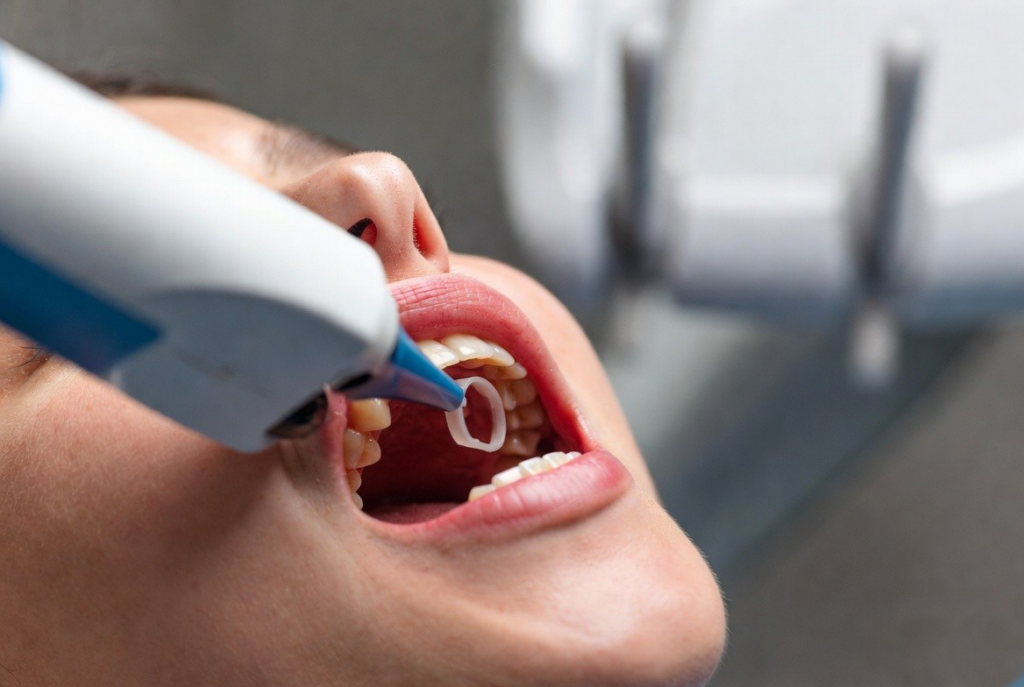
Traditional orthodontic planning relied on physical impressions and manual measurements, which could introduce inaccuracies. Today, intraoral 3D scanners capture thousands of high-resolution images in minutes, creating a complete digital map of the teeth, gums, and bite. This eliminates discomfort and provides data accurate to within microns.
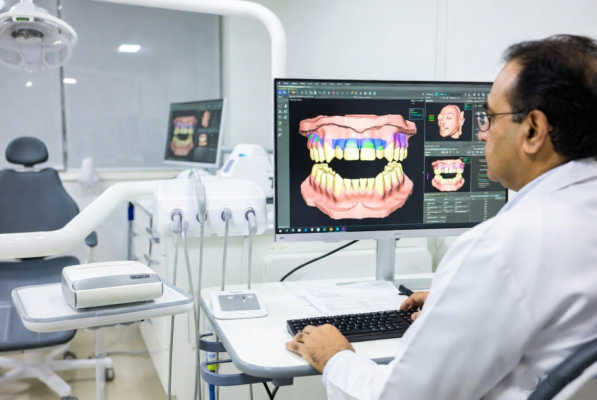
Once scanned, the data feeds into sophisticated CAD/CAM software. Orthodontists visualize the entire treatment in three dimensions, simulating tooth movements stage by stage. This digital foundation forms the basis for custom aligners produced through 3D printing or precision milling.
Step-by-Step Process: How Orthodontists Plan Aligner Treatment
Orthodontists follow a structured, technology-driven workflow:
Initial Consultation and 3D Scanning
During the first visit, the orthodontist performs a comprehensive exam, including intraoral 3D scanning, photographs, and radiographs if needed. The scanner replaces messy putty impressions, delivering instant digital impressions that capture every detail of tooth shape and jaw relationship.
Creation of Digital 3D Models
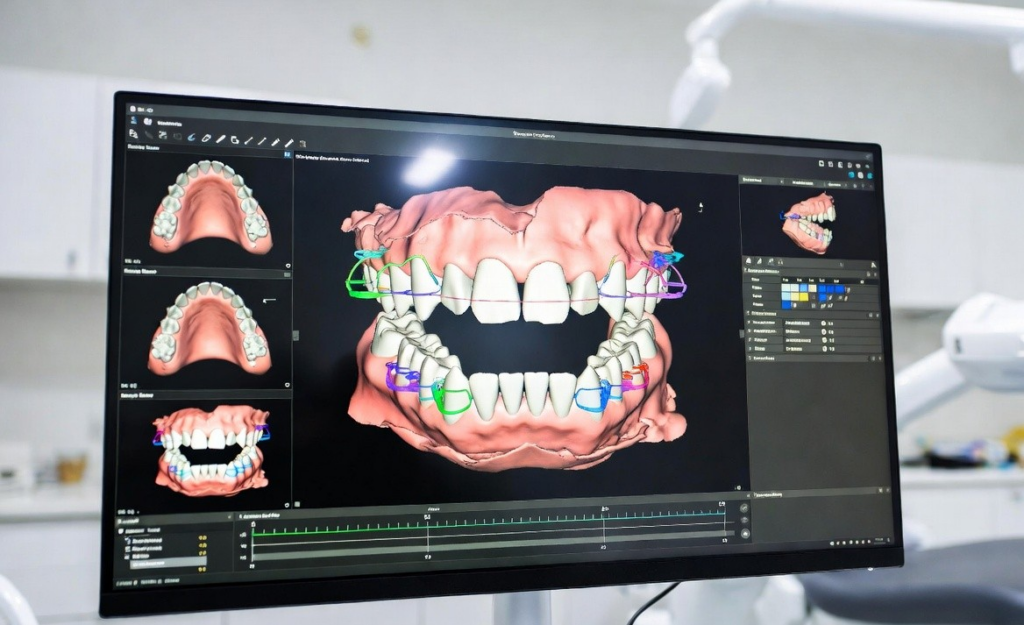
2.Software converts the scan into a precise 3D model. This virtual replica allows the orthodontist to assess crowding, spacing, bite issues, and root positions with exceptional clarity.
Treatment Simulation and Customization
Using specialized platforms (similar to ClinCheck or proprietary systems), the orthodontist designs the sequence of aligners. Each tray is programmed to apply controlled forces that move specific teeth incrementally. Attachments, interproximal reduction (IPR), or elastics are planned virtually. Patients often view a 3D smile simulation showing expected progress and final results before committing.
Approval and 3D Fabrication
Once the plan is refined and approved, aligners are manufactured using 3D printing technology. This ensures a perfect fit and consistent force application. Modern materials, such as multilayered SmartTrack-style plastics, enhance comfort and efficacy.
Ongoing Monitoring
5.Digital tools, including progress scans or remote monitoring apps, allow the orthodontist to track wear compliance and make minor adjustments if necessary.
The entire planning phase typically takes one to two weeks, significantly faster than older methods.
Recent Trends in 3D Aligner Technology (2025–2026)
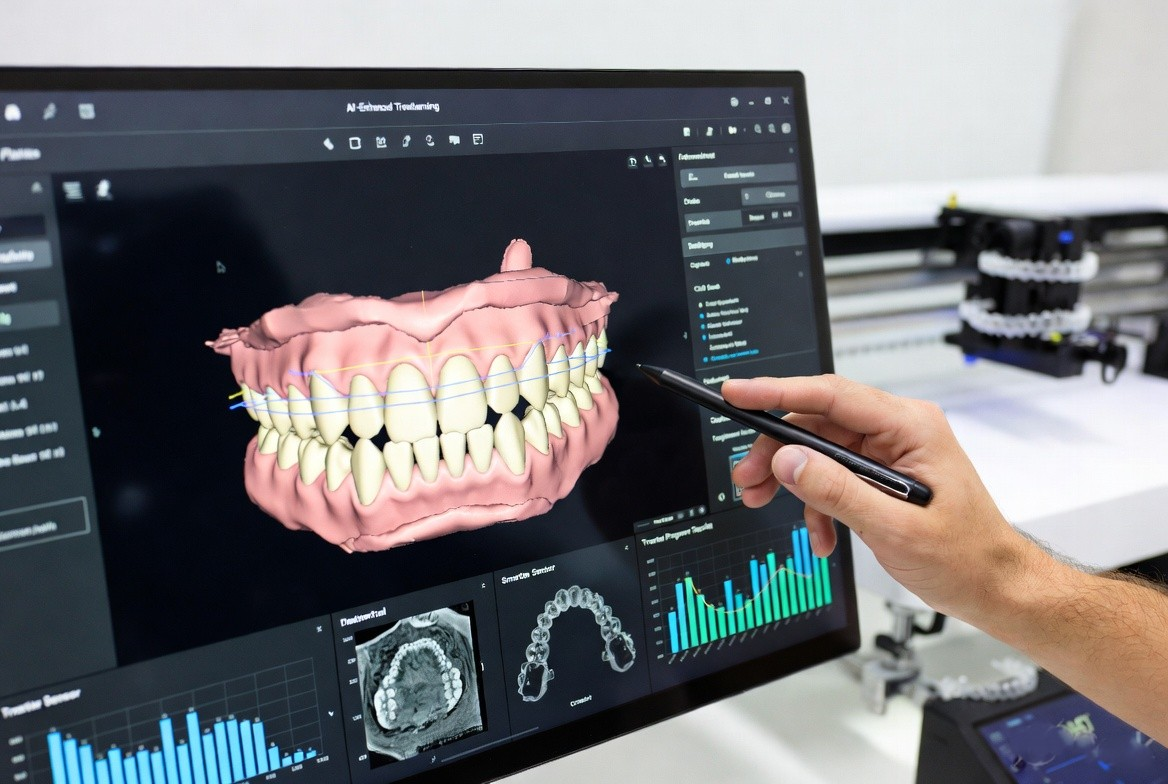
In 2026, AI integration is the biggest advancement. AI algorithms analyze vast datasets from millions of cases to predict tooth movement more accurately, reduce refinements, and shorten treatment time by up to 40% in some scenarios. CBCT scans and facial mapping are increasingly combined with 3D models for holistic planning that considers bone structure and facial aesthetics. In-house 3D printing enables same-day or next-day aligner production in select clinics, while smart sensors in newer aligners track compliance in real time.
These innovations make aligner therapy suitable for a wider range of cases, from mild crowding to more complex malocclusions.
Key Benefits of 3D-Planned Aligner Treatment
Precision and Predictability:
Virtual simulations minimize surprises and improve final outcomes.
Patient Comfort:
No gagging from impressions; aligners are custom-fitted from day one.
Visual Motivation:
Patients see their future smile early, boosting compliance.
Efficiency:
Fewer office visits and faster production reduce overall treatment duration.
Customization:
Every movement is calculated for biology and biomechanics, supporting long-term stability.
Conclusion
3D technology has elevated clear aligner treatment from an art to a precise science. By combining detailed digital scans, advanced simulation software, and expert clinical oversight, orthodontists can deliver smiles that are not only straighter but also healthier and more stable.
If you are considering clear aligner treatment, consult a qualified orthodontist experienced in digital planning to determine the best approach for your smile.
Frequently Asked Questions
3D scanning uses an intraoral camera to capture thousands of images of your teeth and bite, creating a precise digital model. It replaces traditional impressions and serves as the foundation for custom aligner planning.
technology offers micron-level accuracy, far surpassing manual impressions. This precision leads to better-fitting aligners and more predictable tooth movement.
Orthodontists use 3D simulation software to generate a virtual before-and-after model, allowing you to visualize results before treatment begins.
Most plans are ready within 7–14 days after the initial scan, thanks to digital workflows and, in some cases, AI assistance.
AI analyzes scan data and historical cases to optimize tooth movement sequences, reduce treatment time, and improve accuracy.
Advanced 3D planning, often combined with CBCT imaging, allows orthodontists to handle moderate to complex malocclusions with greater control and fewer adjustments.